
In 1576 the printer Christophe Plantin moved his family and his presses into a house on the Vrijdagmarkt. His descendants, the Moretus family, printed there for the next three centuries, and in 1876 Edward Moretus sold the whole business, house, presses, type and archive, to the city of Antwerp. A year later the public was let in. This year Museum Plantin-Moretus is marking 150 years as a museum and 450 years of printing at the address, and it is doing so behind closed doors: it shut on 3 August 2026 for a renovation and reopens on the weekend of 5 and 6 December.

A bookbinder from Touraine
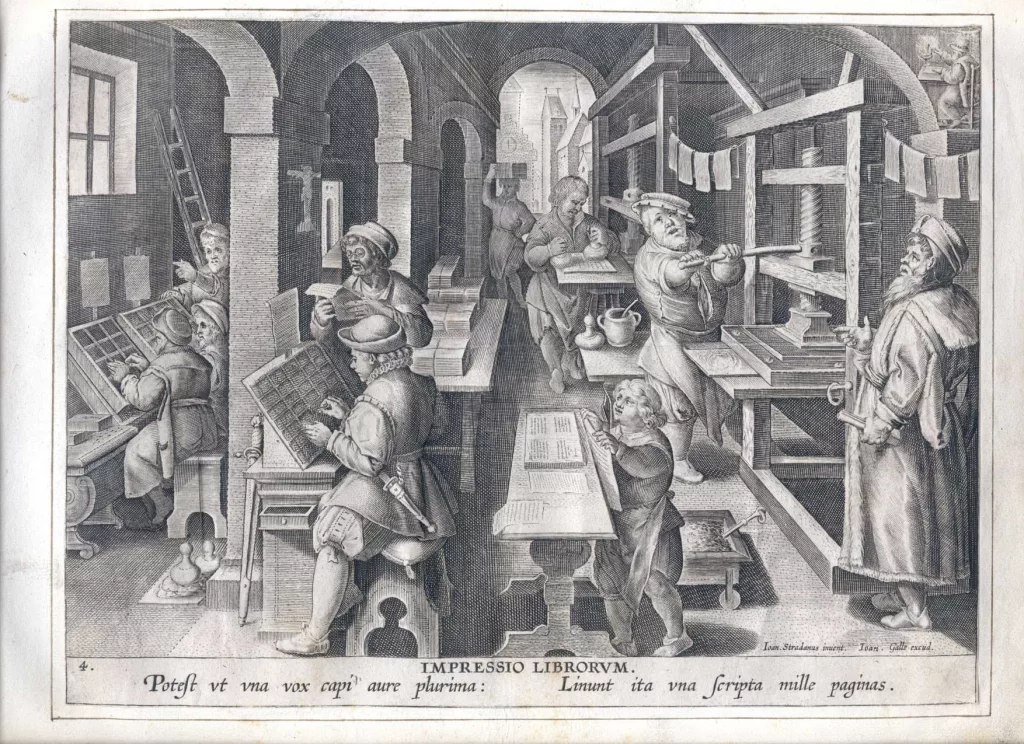
Plantin was born around 1520, probably at Saint-Avertin near Tours, and trained as a bookbinder in Caen. He worked in Paris from 1545 and moved to Antwerp about three years later. By 1555 he had his own print shop. By 1575 his firm ran more than 20 presses and employed 73 workmen.
His great project was the Polyglot Bible, the Biblia Regia, encouraged by Philip II of Spain and edited by the Spanish scholar Benito Arias Montano. It took from 1568 to 1572, filled eight folio volumes, set its text in Latin, Greek, Syriac, Aramaic and Hebrew, and kept thirteen presses and 53 men busy. The king rewarded Plantin with the privilege of printing Catholic liturgical books and the title of Architypographus Regii, chief royal printer. Antwerp was less kind: in November 1576, the year he moved to the Vrijdagmarkt, Spanish troops plundered and burned the city, and Plantin paid a large ransom to protect his stock.

In 1583 Plantin went north to Leiden, where the States of Holland wanted a printer for their new university, and left the Antwerp shop to his sons-in-law Jan Moretus and Frans van Ravelingen. He came back after Antwerp surrendered in 1585 and died in the city on 1 July 1589. Jan Moretus, who had married Plantin’s daughter Martina in 1570, took over. The firm stayed in the family until 1876, and four women ran it at different times between the 16th and the 18th century.
Two presses and a Rubens drawing
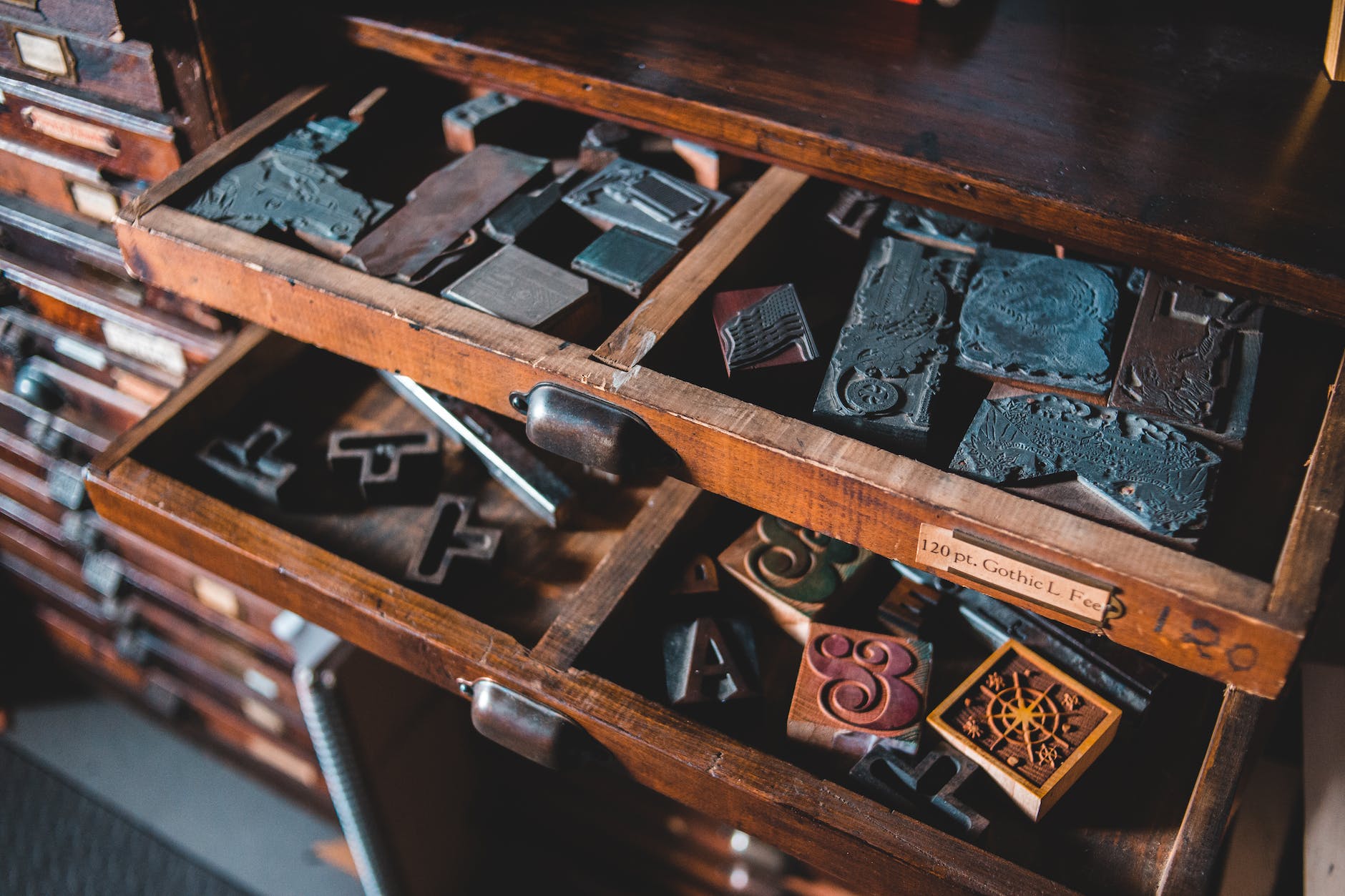
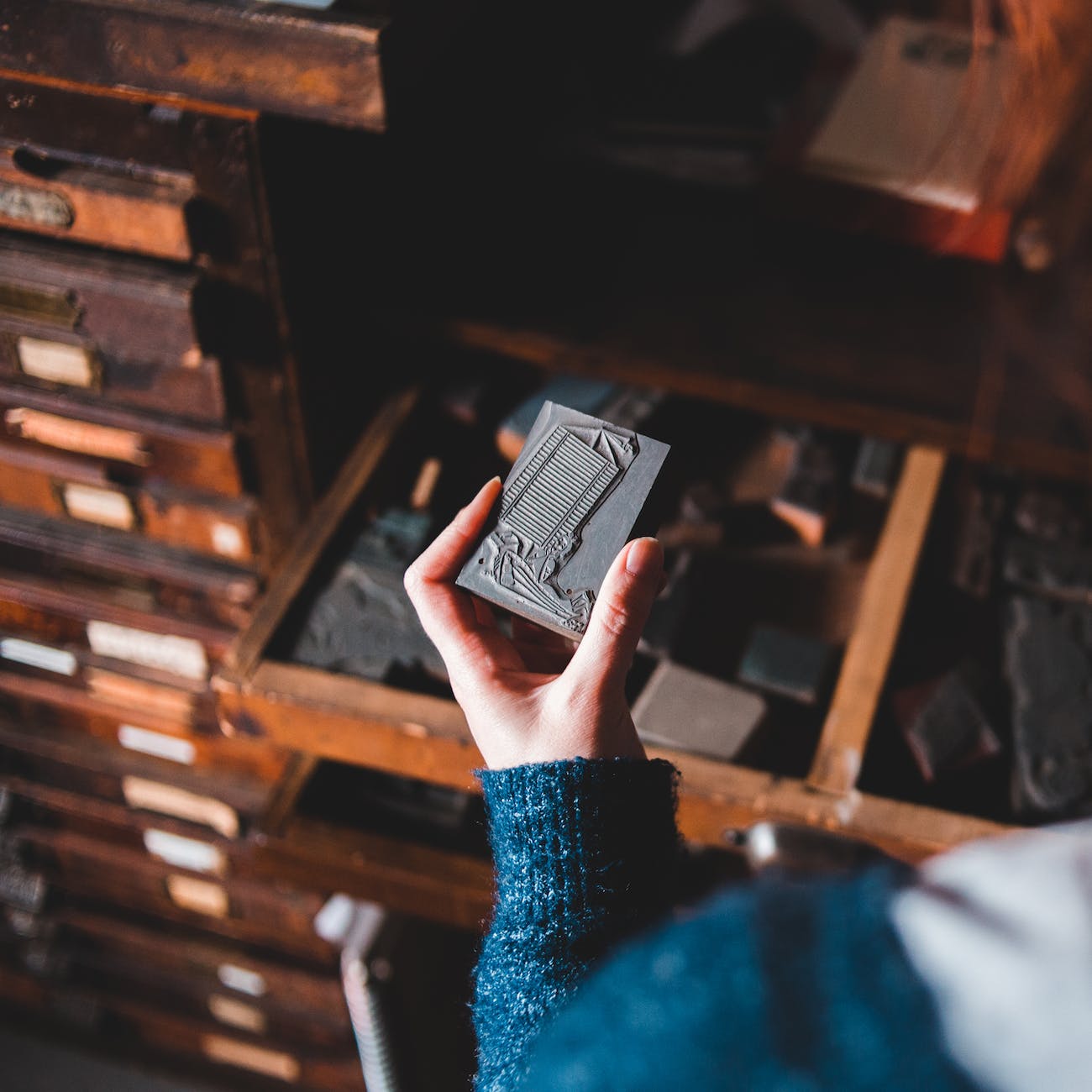
Because the business was sold whole, the collection stayed together. The museum keeps the two oldest surviving printing presses in the world, complete sets of punches and matrices, a 36-line Gutenberg Bible, tens of thousands of historical books and more than 75,000 prints and drawings by Antwerp masters. In 2001 the firm’s archives were added to UNESCO’s Memory of the World register; in 2005 the house, workshops and museum became a World Heritage Site.
Peter Paul Rubens enters the story as a supplier, not a lodger. The first version of this article had him producing his major works in the house; he did not. He designed title pages for the firm, and painted a portrait of Plantin, years after his death, holding a pair of compasses. One of his earliest commissions for the Moretus press was the title page and six vignettes for Opticorum libri sex, a treatise on optics by the Jesuit Franciscus Aguilonius, printed in 1613. One of those designs, long thought lost and kept by the heirs of an 18th-century collector, the Marquis de Lagoy, was bought by the Flemish Community for €307,400 and lent to the museum. His own house, now the Rubenshuis, is a museum of its own.

The kitchen opens in December
The renovation brings a new visitor route, new exhibition design and an interactive app with a digital version of historic printing. The family’s kitchen is being restored and joins the permanent exhibition, and the bedroom is moving. “Society is changing, and with it, the stories we want to tell are changing too,” said Odette Peterinck, who is in charge of visitor services, when the closure was announced. Of the kitchen she said: “Residents worked in that house; they had arguments there.”
Opening the kitchen is the right decision, and overdue: a house where one family, four of its heads women, ran a firm for three centuries is a story about people as much as about type, and the museum’s own school tours already lean on its Spanish-speaking parrots and office quarrels. Mainz, Gutenberg’s city, shows a reconstruction of Gutenberg’s workshop, installed in 1925 in a museum founded in 1900. Antwerp has the workshop itself, with the presses still in it.
From December the practical details return to normal. The museum on the Vrijdagmarkt opens Tuesday to Sunday from 10:00 to 17:00, and closes on Mondays. Tickets are listed at €12 for visitors aged 26 and over and €8 from 18 to 25; under-18s go free, as do Antwerp residents with an A Card on the first Tuesday of the month. Payment is cashless. A visit takes about 90 minutes. The garden can be visited without a ticket if you ask at reception first, but eating and drinking there is not allowed.
Museum Plantin-Moretus
- Address: Vrijdagmarkt 22, 2000 Antwerp
- Founded: Printing house on this site from 1576; sold to the city 1876; open to the public since 1877; UNESCO World Heritage since 2005
- Hours: Closed for renovation until 5 December 2026; then Tuesday to Sunday 10:00 to 17:00, closed Mondays (checked November 2026)
- Price: €12 (26 and over), €8 (18 to 25), free under 18 (checked November 2026)
- Getting there: In the old town
- Why it works: the business was sold whole, so the house still has its presses, its type and its paperwork
